Overview
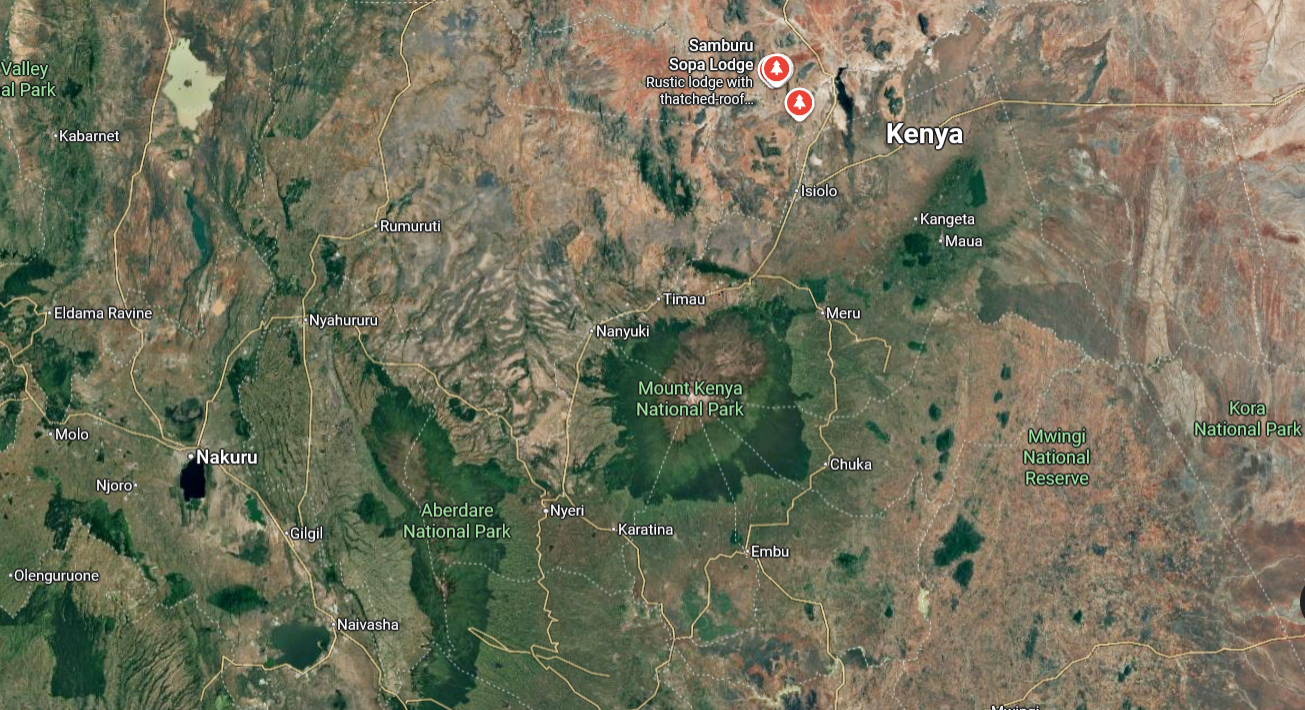
A 7-day safari visiting Aberdare (1 night), Samburu (1 night), Lake Nakuru (1 night), and Maasai Mara (3 nights). Samburu and Aberdare are not as famous as Mara and Lake Nakuru but they are extraordinary as well. With this itinerary, we can show much more from Kenya wildlife and landscapes. All our tours are customizable and we can increase or decrease the number of days, mix accommodation levels, etc.
Highlights
- Visit the Aberdare Mountain Range of central Kenya bustling with wildlife
- Enjoy the amazing view of the kenyan central landscapes
Itinerary
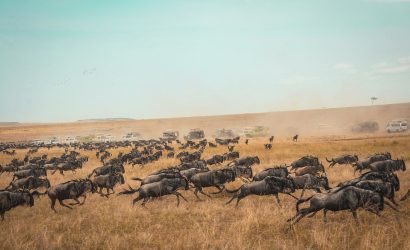
An early morning drive to Masai Mara National Reserve, it holds on as one of the few places left on earth where wildlife still lives comparatively undisturbed, in the numbers that once roamed the plains and forests of Africa. As the northern tip of the vast Serengeti ecosystem, the Mara hosts the spectacular seasonal migration of many thousands of Wildebeest, Zebras and attendant predators. Arrive in time for lunch then have an afternoon game drive.
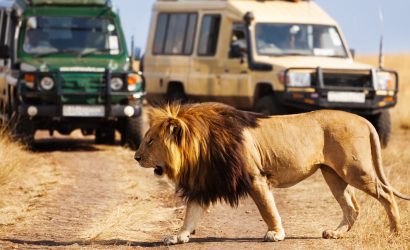
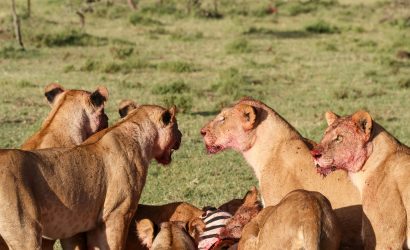
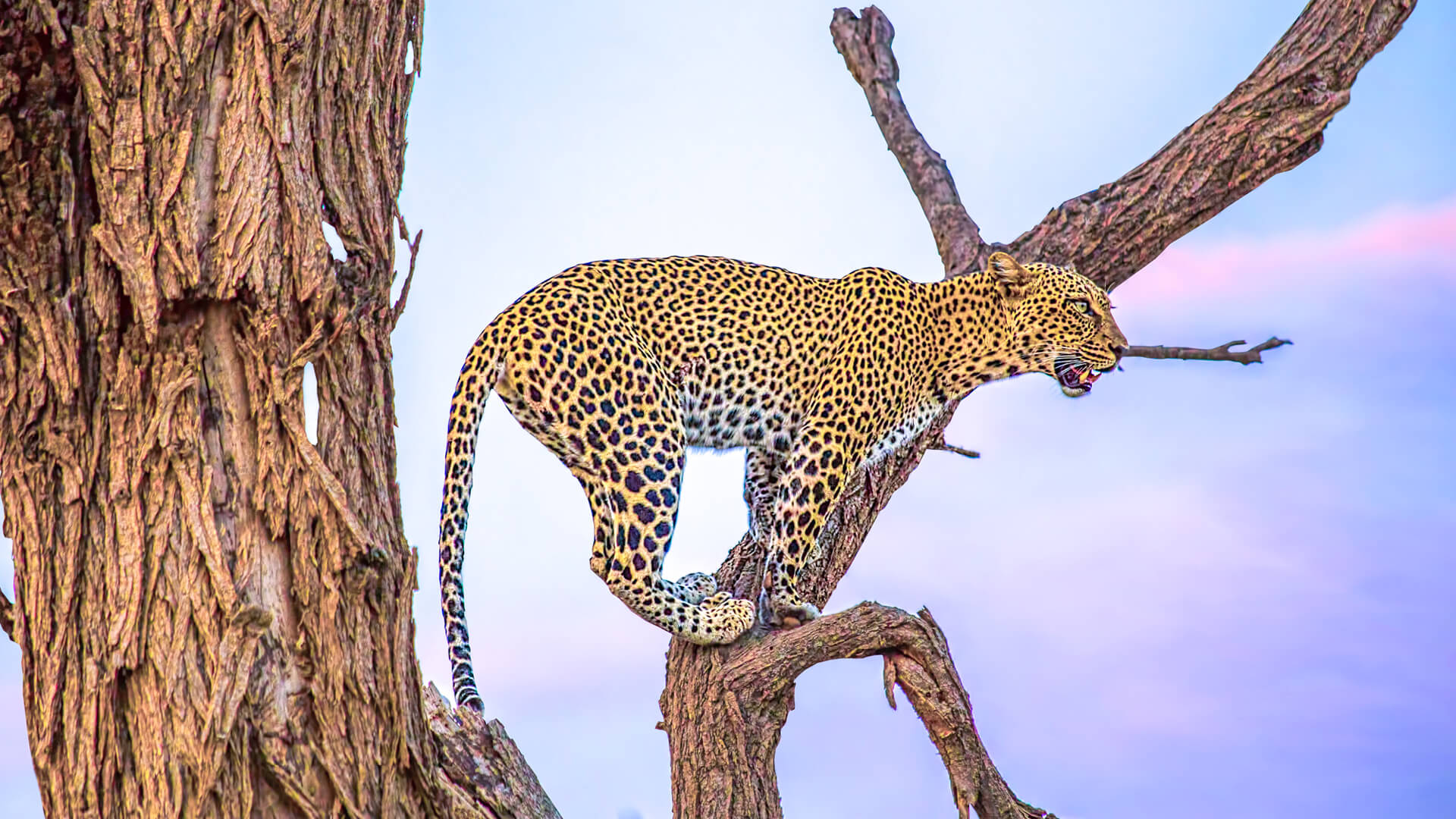
After breakfast we have a full day dame drive, with packed lunch provided. The reserve is well known for its black-manned lion, as well as its abundant resident wildlife and its one of the few places where it's possible to see the big five during a morning's game drive. Many of the cheetahs are so tame they seek shelter from the hot sun under one's vehicle and several even climb onto the roof to get better view of prospective prey. For the bird enthusiast, almost 500 species have been recorded: among these 16 species of eagle, plus many hawks and falcons, 6 species of vultures, 8 species of storks 4 of bustard (including the Kori bustard, the world's heaviest flying bird), and 9 species of sun birds
After breakfast, we depart to Lake Nakuru National Park. Across the equator, southwards of Bogoria, lies the rift valleys most famous lake Nakuru. Known all over the world for its flamingoes, it's alkaline and is recognized as being one of the natural wonders of the world. Lake Nakuru is now a rhino sanctuary, harboring a population of over 40 black and over 60 white rhinos, but the flamingos, of course, have always been the main attraction. At times there may be almost 2 million flamingos in the residence, forming a stunningly beautiful deep pink band around the edge of the lake shore. Arrive in time for lunch then have an afternoon game drive
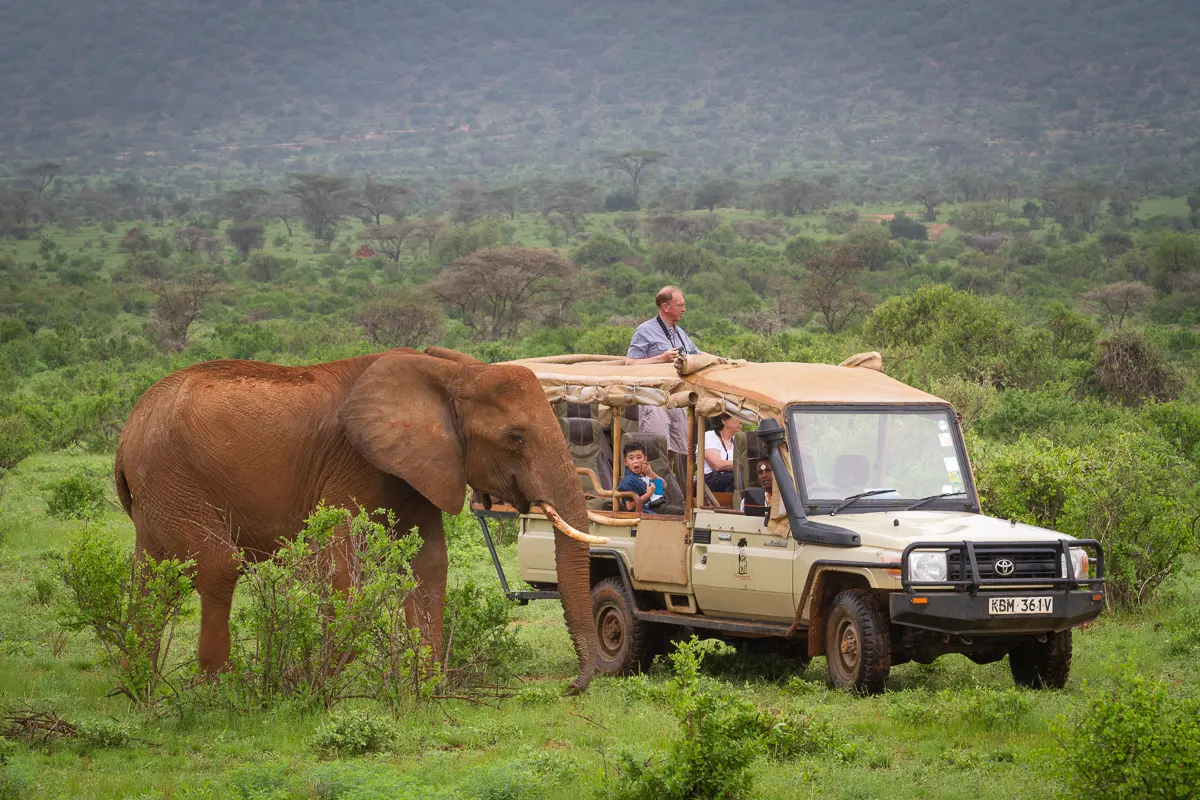
An early morning transfer to Aberdare National Park. The drive is scenic via the central Kenya highlands with stops to view tea and coffee plantations. There shall be a further stop to see and experience the largest open-air market in East Africa at Karatina. Aberdare National Park is home to elephants, black rhinos, leopards, spotted hyenas, olive baboons, black and white colobus monkeys, buffalos, warthogs and bushbucks among others. Rare sightings include those of the Giant Forest hog, bongo, golden cat, serval cat, African wild cat, African civet cat and the blue duiker. Dinner and overnight at campsite or lodge.
An early morning drive to Samburu Game Reserve. Picnic lunch en-route and afternoon or evening game drive. Samburu Game Reserve stands as one of the most beautiful Kenya Parks in Northern Circuit. It holds the most indigenous wildlife as well as the home of African Elephants and beautiful species of Zebras and the Masai Giraffes. Dinner and overnight at campsite or lodge
The whole day will be spent exploring this amazing game reserve, it gives you the refreshment of your mind as the park is not populated and not many people visits here, we have concentration of the Its home to the big five, Elephant, Lion, Rhino, Leopard, Buffalo, Gerenuk, Reticulated Giraffe, Somali Ostrich, Gravy Zebra, Besia Oryx, Endangered Wild Dog as well as Pun cake Tortoise - Endangered. There are over 450 species of birds identified and aquatic species in the Waso Nyiro River including, vultures, kingfishers, marabous, bateleurs, guinea fowl, Somali ostriches and others. The whole day will be spent exploring the park for the whole day game drive.
Morning game drive in Samburu and depart late in the morning to Nairobi, arriving at about 5pm. Lunch en route.
Cost
The Cost Includes
- Park fees (For non-residents)
- All activities (Unless labeled as optional)
- All accommodation (Unless listed as upgrade)
- A professional driver/guide
- All transportation (Unless labeled as optional)
- All Taxes/VAT
- Meals (As specified in the day-by-day section)
The Cost Excludes
- International flights (From/to home)
- Roundtrip airport transfer
- Additional accommodation before and at the end of the tour
- Tips (Tipping guideline US$10.00 pp per day)
- Personal items (Souvenirs, travel insurance, visa fees, etc.)
- Government imposed increase of taxes and/or park fees
Frequently Asked Questions (FAQs)
Annapurna Base Camp is a Grade B or a moderately difficult trekking route. So any fit person can do this trek, even if you do not have any previous experience. You should be aware of what to expect and mentally prepare for it. Then, as long as you will too, you can.
On average, you walk about 4 to 6 hours per day. One or two days can be as less as 3hrs and one or two days can be as long as 7hrs.
The highest altitude reached is 4190m. This is the elevation of Annapurna Base Camp. ABC is the highest we will climb in this trek.
Yes, you can charge batteries en route. Charger should be brought. There are hot shower facilities as well. You may have to pay a certain amount for both ($1-$2). Negotiate. Also, a hot water facility could be free at a lower elevation.
No. There are no ATMs on this trek route. You will have to draw enough cash in Pokhara or Kathmandu. There are a number of ATMs in these cities. Everything is paid in Nepali rupees. So money should be exchanged before the start of the trek.
Yes. The Internet can be accessed in most places. Sometimes, there might be some technical problems. The Internet in Nepal is not as fast as you are used to and at times you can just lose connection.
Not really. It depends on you. If you want, ABC trekking can be done independently. You could hire a guide and a porter by yourself instead of going through an agency or not hire a guide at all. Although, not having a guide can be a little problematic during the offseason.
It really depends on you. Is it your first time in Nepal? How confident are you of being able to find your way around? How pressed on time are you? If you go through an agency, it will be costlier but everything will be planned. You will only have to come, trek and return.
For the Annapurna region, pay for guides range from $20 to $30 per day and porters take $15 to $25 per day.
Map