Overview
Travel is the movement of people between relatively distant geographical locations, and can involve travel by foot, bicycle, automobile, train, boat, bus, airplane, or other means, with or without luggage, and can be one way or round trip. Travel can also include relatively short stays between successive movements.
The origin of the word “travel” is most likely lost to history. The term “travel” may originate from the Old French word travail, which means ‘work’. According to the Merriam Webster dictionary, the first known use of the word travel was in the 14th century.
Highlights
- Trek to the world-famous Everest Base Camp
- Enjoy the amazing view of the Himalayas from Kala Patthar
- Travel through the Sherpa villages of Namche, Khumjung, Khunde, and Dingboche
- Visit Tengboche the biggest and oldest monastery n the region.
Itinerary
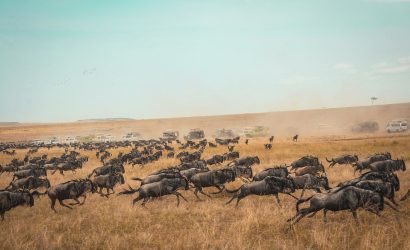
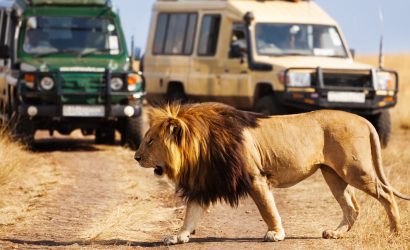
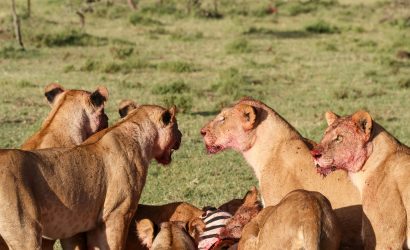
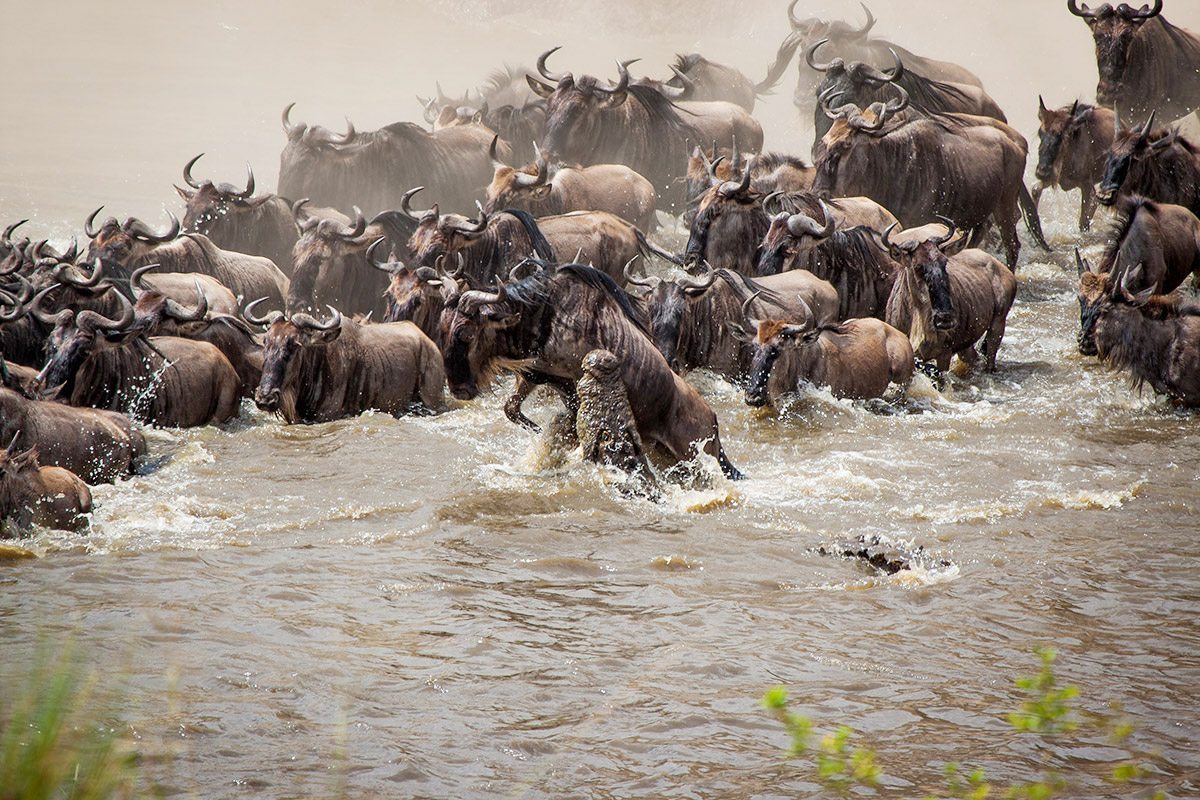
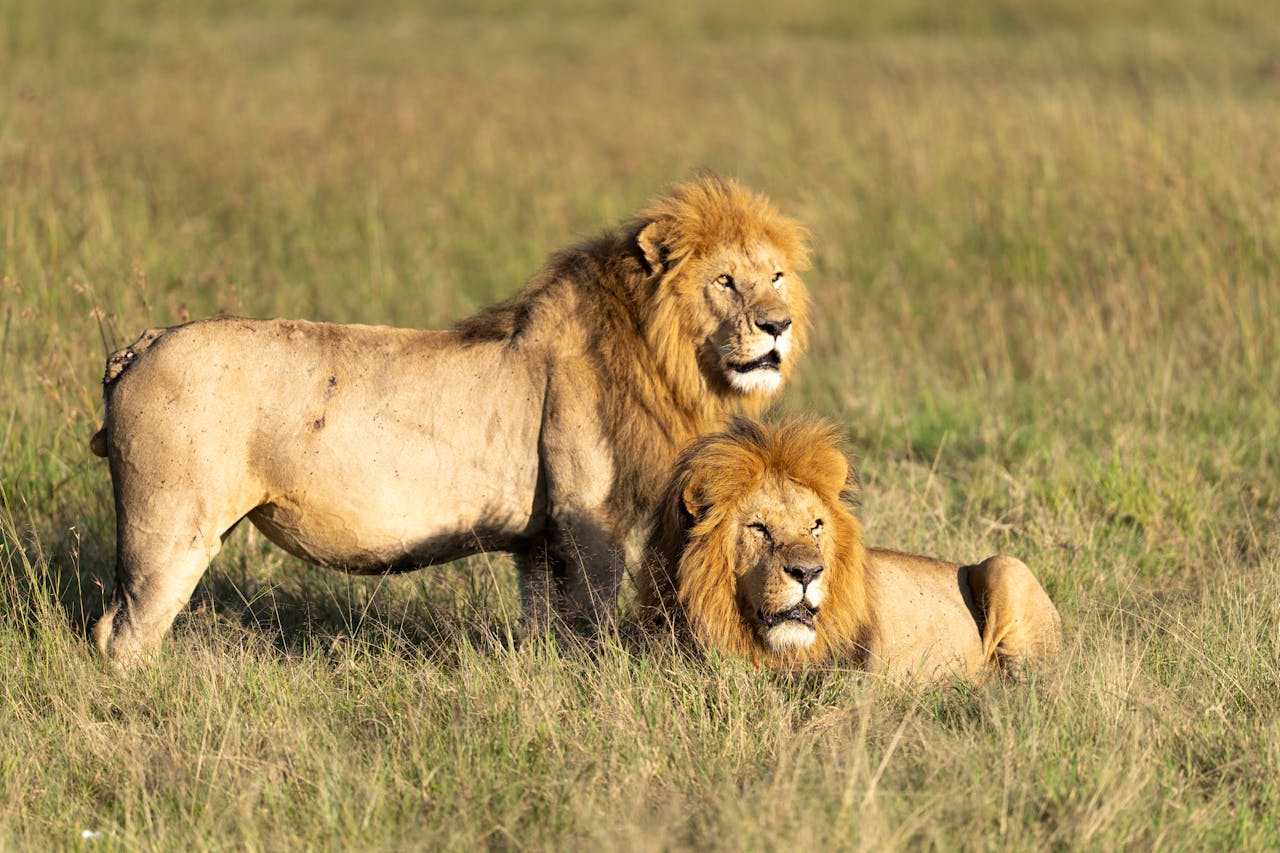
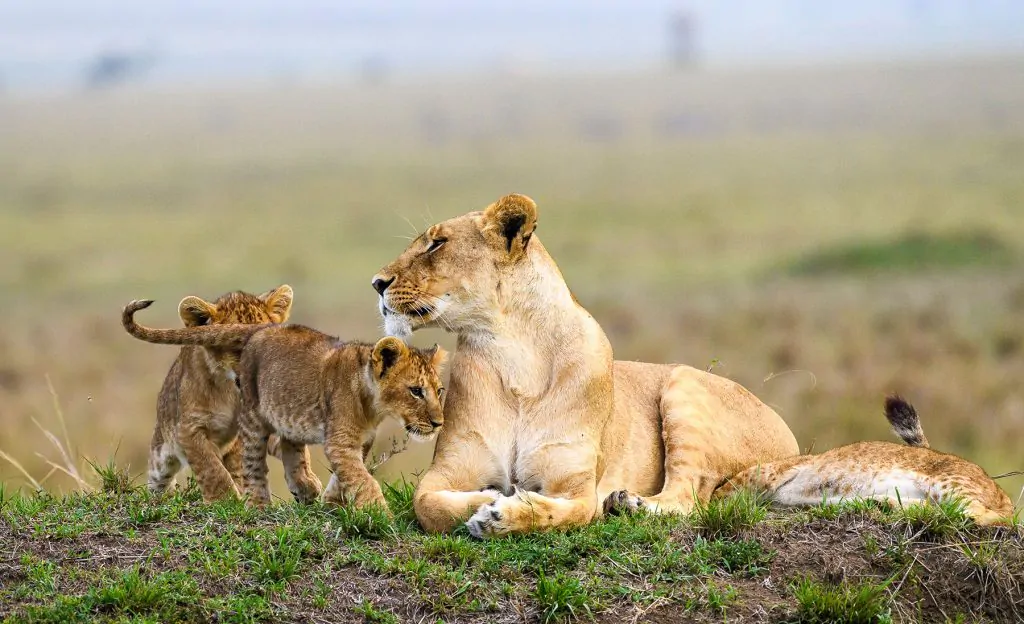
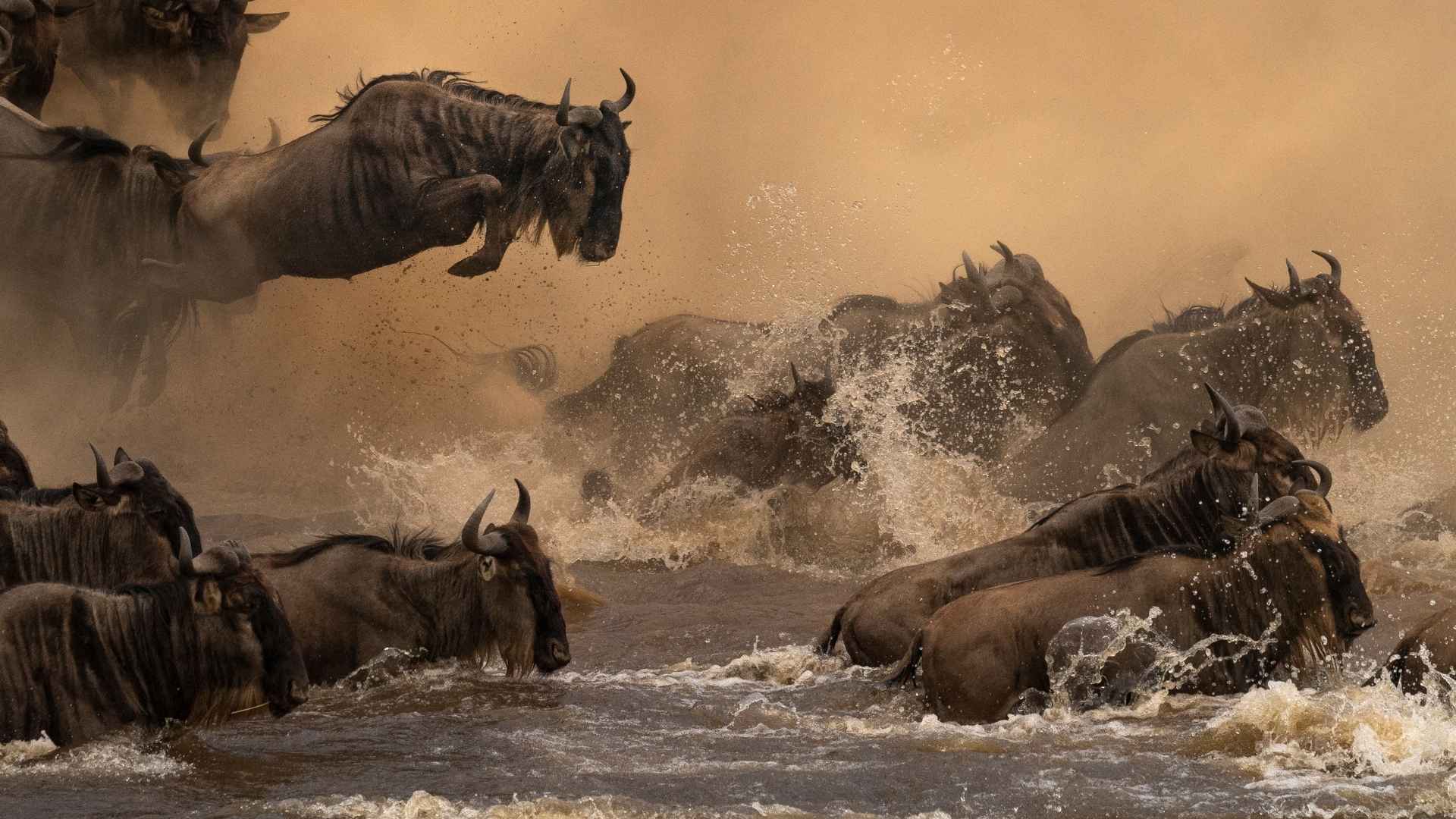
The Masai Mara is one of the best places in the world to see wild animals. It is full of lions, elephants, giraffes, zebras and many more. The wide open grasslands and sunsets make it a very special place. On this 3-day safari, you will enjoy game drives, see animals up close, and also visit a Maasai village to learn about their culture.
You leave Nairobi in the morning and drive through the Great Rift Valley, with chances to stop and enjoy the views. By midday you arrive in the Masai Mara and check into your lodge or camp. After lunch you go for your first game drive in the reserve, where you may see elephants, zebras, lions, and giraffes. In the evening you return to your accommodation for dinner and spend the night listening to the sounds of nature. Dinner and overnight stay at Emayian Luxury Camp.
The day begins with an early morning game drive, the best time to see animals hunting or moving around before the sun gets too hot. After breakfast you continue exploring the park, carrying a picnic lunch so you can spend the whole day out. You look for the Big Five and many other animals. In the afternoon you visit a Maasai village, meet the people, and learn about their culture, songs, and dances. You then return to your accommodation for dinner and overnight stay at Emayian Luxury Camp.
After breakfast, you’ll be expected to check out of the lodge by 7:30 am EAT, and drive back to Nairobi via Narok-Mai mahiu-Nairobi road. Few stops will be made for health breaks and a chance for one to visit the gift shops to grab something for your loved ones back home or have some bites before driving on to Nairobi at your preferred destination. This will mark the end of your wonderful adventure in Kenya.
Cost
The Cost Includes
- Park fees (For non-residents)
- All activities (Unless labeled as optional)
- All accommodation (Unless listed as upgrade)
- A professional driver/guide
- All transportation (Unless labeled as optional)
- All Taxes/VAT
- Meals (As specified in the day-by-day section)
The Cost Excludes
- International flights (From/to home)
- Roundtrip airport transfer
- Additional accommodation before and at the end of the tour
- Tips (Tipping guideline US$10.00 pp per day)
- Personal items (Souvenirs, travel insurance, visa fees, etc.)
- Government imposed increase of taxes and/or park fees
Frequently Asked Questions (FAQs)
Annapurna Base Camp is a Grade B or a moderately difficult trekking route. So any fit person can do this trek, even if you do not have any previous experience. You should be aware of what to expect and mentally prepare for it. Then, as long as you will too, you can.
On average, you walk about 4 to 6 hours per day. One or two days can be as less as 3hrs and one or two days can be as long as 7hrs.
The highest altitude reached is 4190m. This is the elevation of Annapurna Base Camp. ABC is the highest we will climb in this trek.
Yes, you can charge batteries en route. Charger should be brought. There are hot shower facilities as well. You may have to pay a certain amount for both ($1-$2). Negotiate. Also, a hot water facility could be free at a lower elevation.
No. There are no ATMs on this trek route. You will have to draw enough cash in Pokhara or Kathmandu. There are a number of ATMs in these cities. Everything is paid in Nepali rupees. So money should be exchanged before the start of the trek.
Yes. The Internet can be accessed in most places. Sometimes, there might be some technical problems. The Internet in Nepal is not as fast as you are used to and at times you can just lose connection.
Not really. It depends on you. If you want, ABC trekking can be done independently. You could hire a guide and a porter by yourself instead of going through an agency or not hire a guide at all. Although, not having a guide can be a little problematic during the offseason.
It really depends on you. Is it your first time in Nepal? How confident are you of being able to find your way around? How pressed on time are you? If you go through an agency, it will be costlier but everything will be planned. You will only have to come, trek and return.
For the Annapurna region, pay for guides range from $20 to $30 per day and porters take $15 to $25 per day.